Udaipur is the beginning of a larger story
Udaipur introduces travelers to the grace of Mewar, but beyond the lakes and palaces lies the force that shaped that grace: endurance. If you want to understand the region more fully, you have to leave the city for a while and follow its history outward. Three places in particular make that journey unforgettable: Haldighati, Kumbhalgarh, and Chittorgarh.
Each of them holds a different expression of Mewar's spirit. One carries the memory of battle. One stands for defense and endurance. One preserves sacrifice on a scale that feels almost unbearable to imagine.
Haldighati: where courage never surrendered
"Haldighati, where the soil is not just earth, but the color of sacrifice, courage, and undying valor."
About 40 kilometers from Udaipur, Haldighati carries the memory of the 1576 battle in which Maharana Pratap confronted the Mughal army. The story lives not only in the historical record, but in the emotional texture of the place itself. The land feels storied. The figure of Chetak, the loyal horse who carried his wounded master to safety, remains inseparable from the site's identity.
Today, museums and memorial spaces help visitors understand the battle, but what stays with most people is the feeling that Haldighati is not a distant chapter. It remains a living symbol of refusal, resilience, and honor.
Kumbhalgarh: walls built to endure
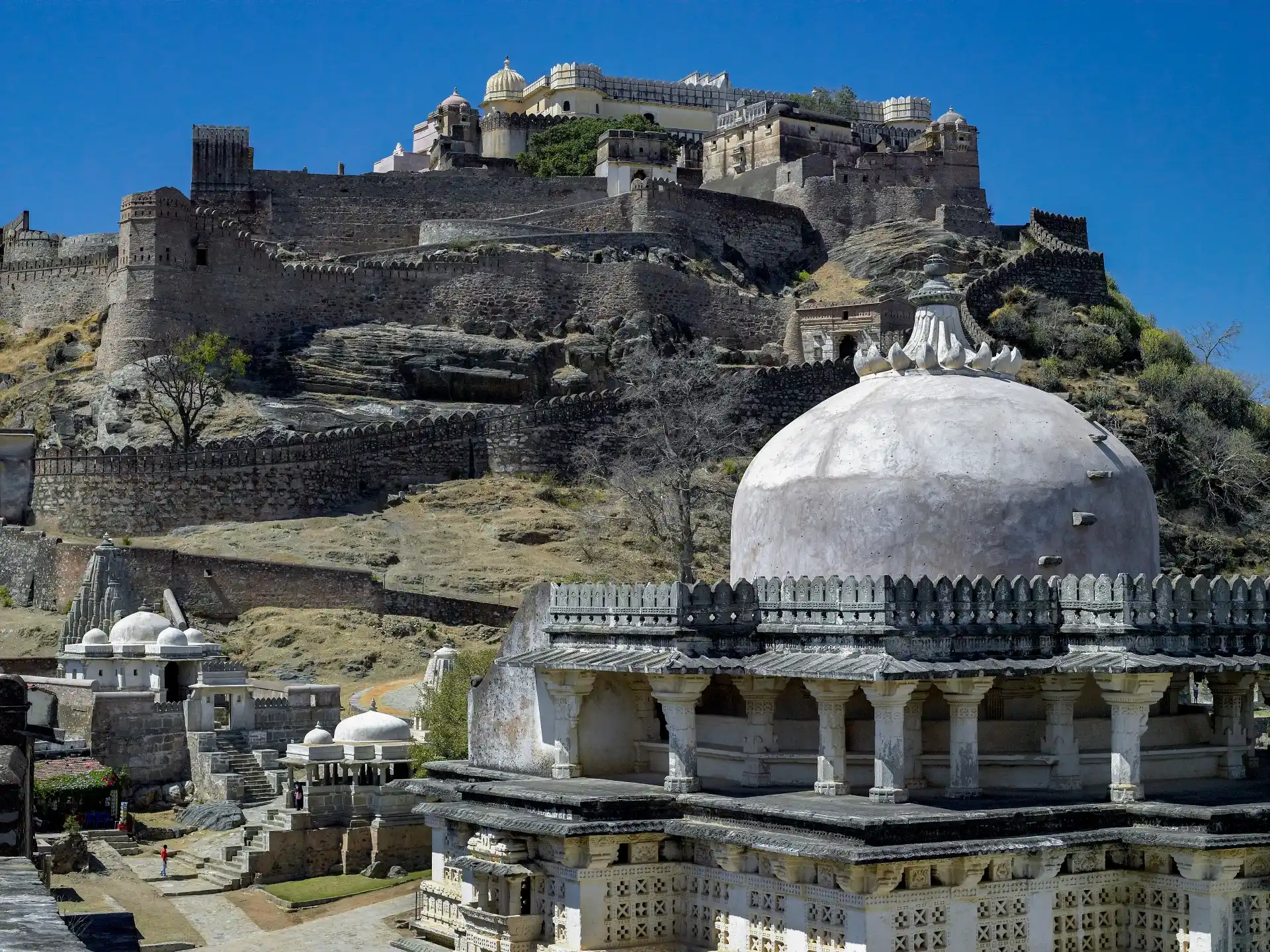
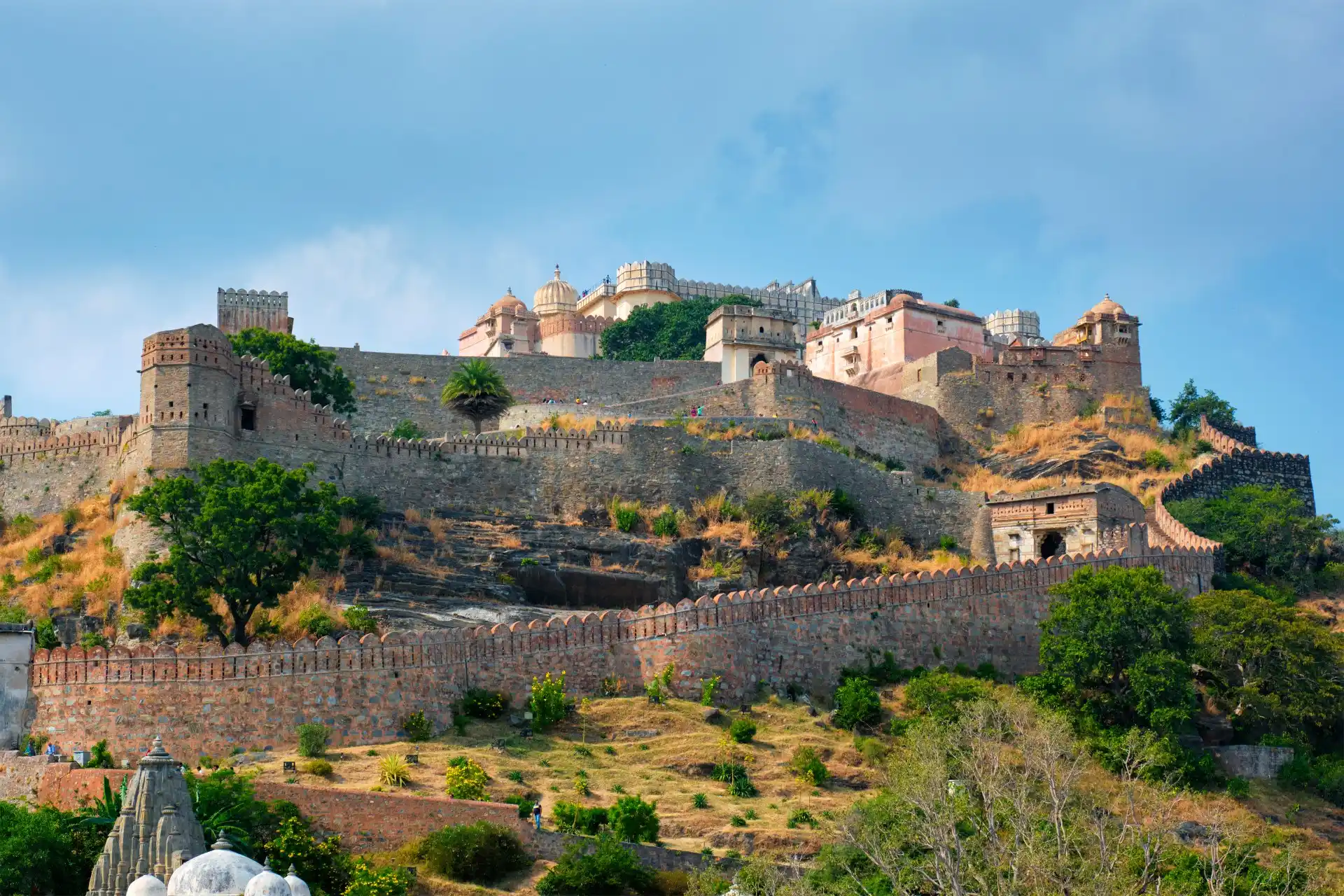
If Haldighati is about courage under pressure, Kumbhalgarh is about strength prepared in advance. Roughly 85 kilometers from Udaipur, this fort rises with authority across the landscape. Built by Maharana Kumbha, it is also known as the birthplace of Maharana Pratap.
Its most astonishing feature is its wall, stretching more than 36 kilometers and often compared to the Great Wall of China in scale. Yet Kumbhalgarh is more than its perimeter. Temples, defensive design, and sweeping views from Badal Mahal all reinforce the same idea: this was a place built not only to impress, but to protect.
Why Kumbhalgarh leaves such a strong impression
- The scale of the fortifications changes your sense of distance and defense
- The surrounding Aravalli landscape adds dramatic natural context
- The fort reflects both devotion and military intelligence
- It turns the idea of endurance into architecture
Chittorgarh: where sacrifice became immortal
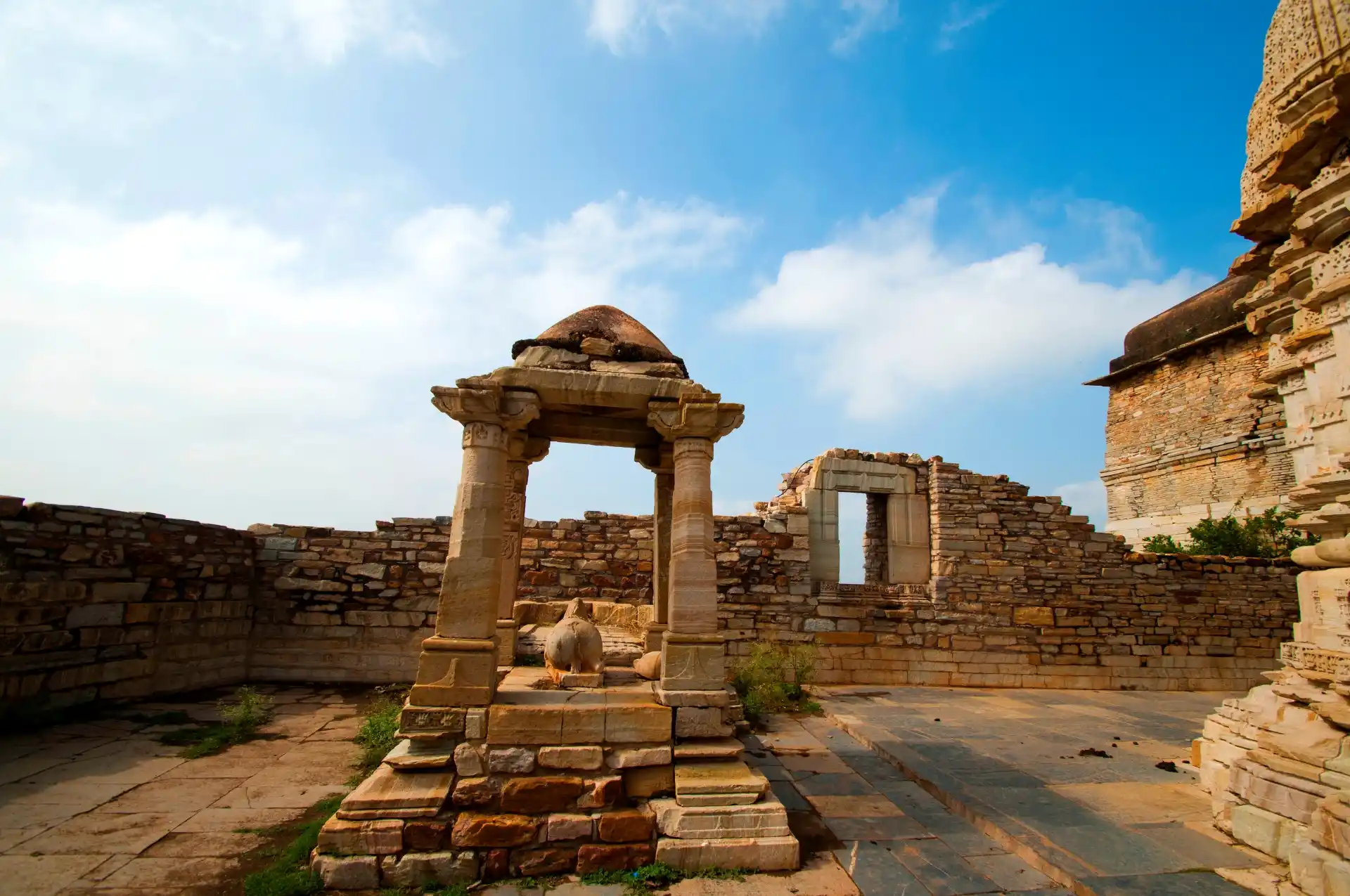
Chittorgarh is not just another fort. It is one of the most emotionally charged historic sites in India. About 112 kilometers from Udaipur, it stands as the largest fort in the country, but its deeper scale is moral rather than physical.
This was once the capital of Mewar. It is also the place where siege, jauhar, defiance, and memory became inseparable. Stories of Rani Padmini, repeated invasions, mass sacrifice, and final resistance have made Chittorgarh a site where history feels both monumental and deeply human.
Key monuments inside Chittorgarh
- Vijay Stambh: a towering marker of triumph and royal confidence
- Kirti Stambh: a reminder that wisdom and devotion also belong to the fort's identity
- Rana Kumbha Palace: a major historic space bound to memory and legend
- Padmini Palace: forever tied to one of the most charged narratives in Rajput history
- Meera Temple: a gentler but equally powerful expression of spiritual defiance
Why these places should be part of an Udaipur journey
Without them, Udaipur can still feel beautiful. With them, it becomes legible. These sites explain the emotional and historical foundation of the region. They show why Mewar's identity is not built only on elegance, but on conviction, memory, and refusal to surrender its sense of self.
Planning the experience
If your itinerary allows, do not treat these three places as interchangeable. Each deserves a different mindset:
- Haldighati for battle memory and symbolic courage
- Kumbhalgarh for fort architecture, landscape, and defensive imagination
- Chittorgarh for the deepest encounter with sacrifice and Rajput legacy
Together, they turn a trip based in Udaipur into a fuller journey through Mewar.
Final thought
Travelers often remember Udaipur for its light. They remember Haldighati, Kumbhalgarh, and Chittorgarh for their weight. That balance matters. It is what makes the region complete: beauty in the city, bravery in the land beyond it, and a history that continues to speak through both.